Blog

bt_bb_section_bottom_section_coverage_image
How Exterior Awnings Fit into Residential Shade Design

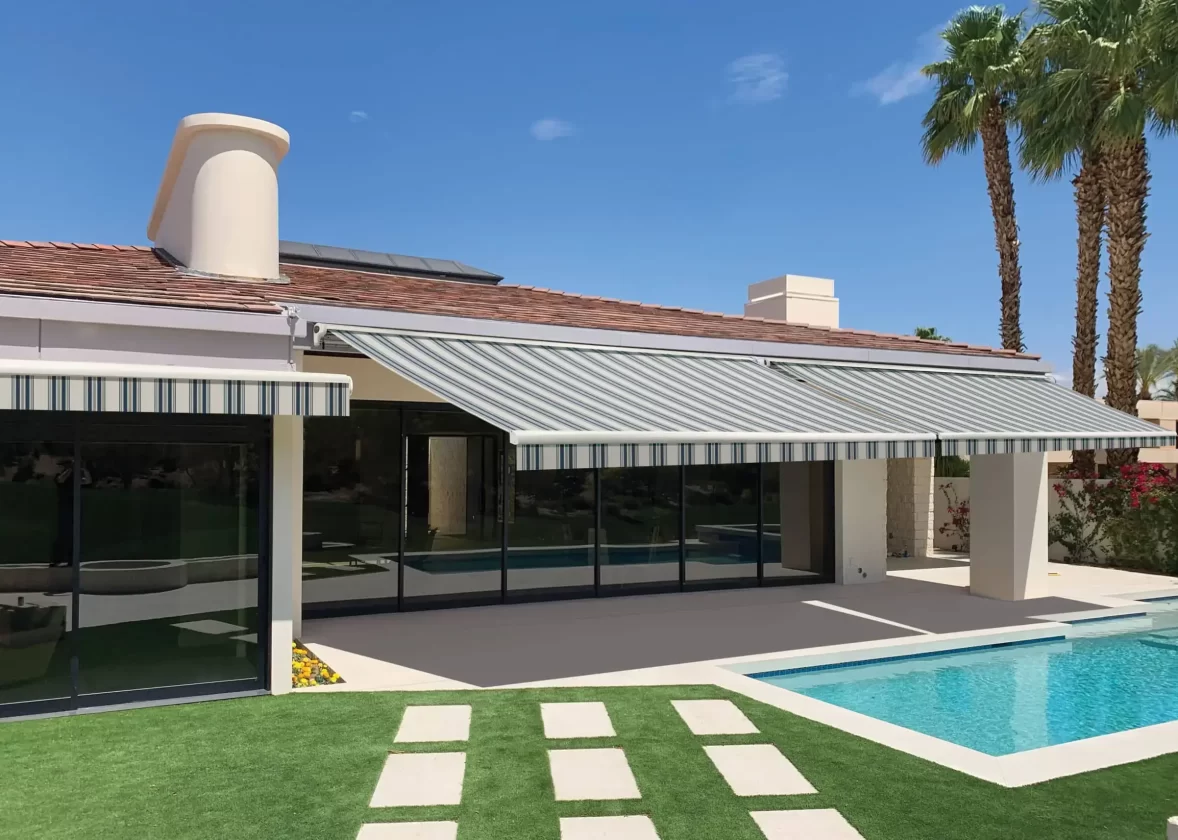
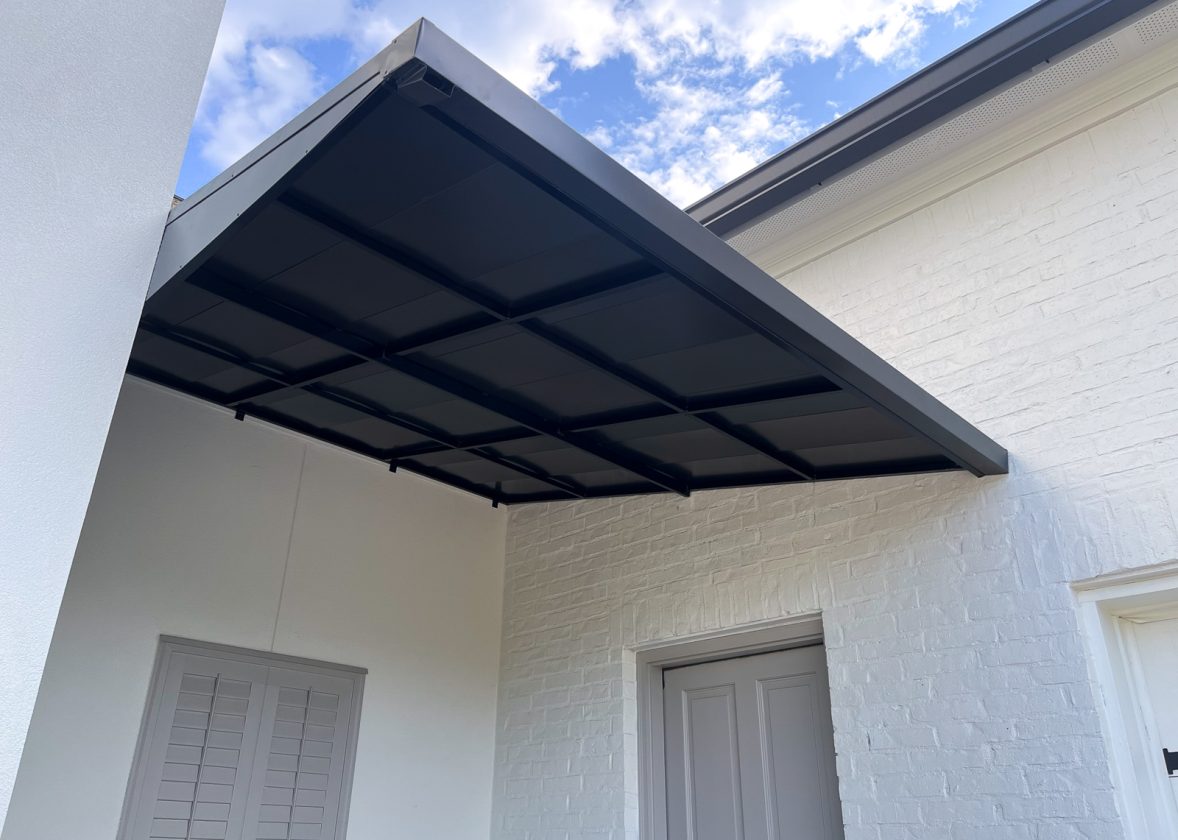
Sunlight can make a home feel warm and inviting. Natural light brightens interior spaces and highlights architectural features that might otherwise go unnoticed. At the same time, direct sunlight can create heat buildup, glare, and discomfort inside a house, especially during warmer months in southern climates. That balance between enjoying natural light and managing heat...

Share on:
Awning Solutions for Historic Property Preservation and Modern Needs

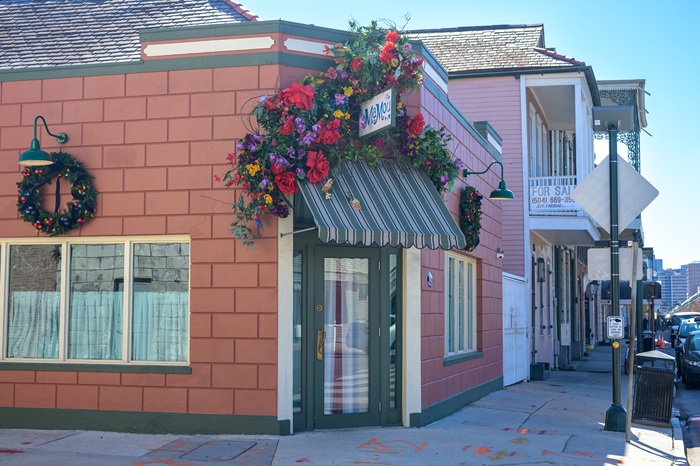
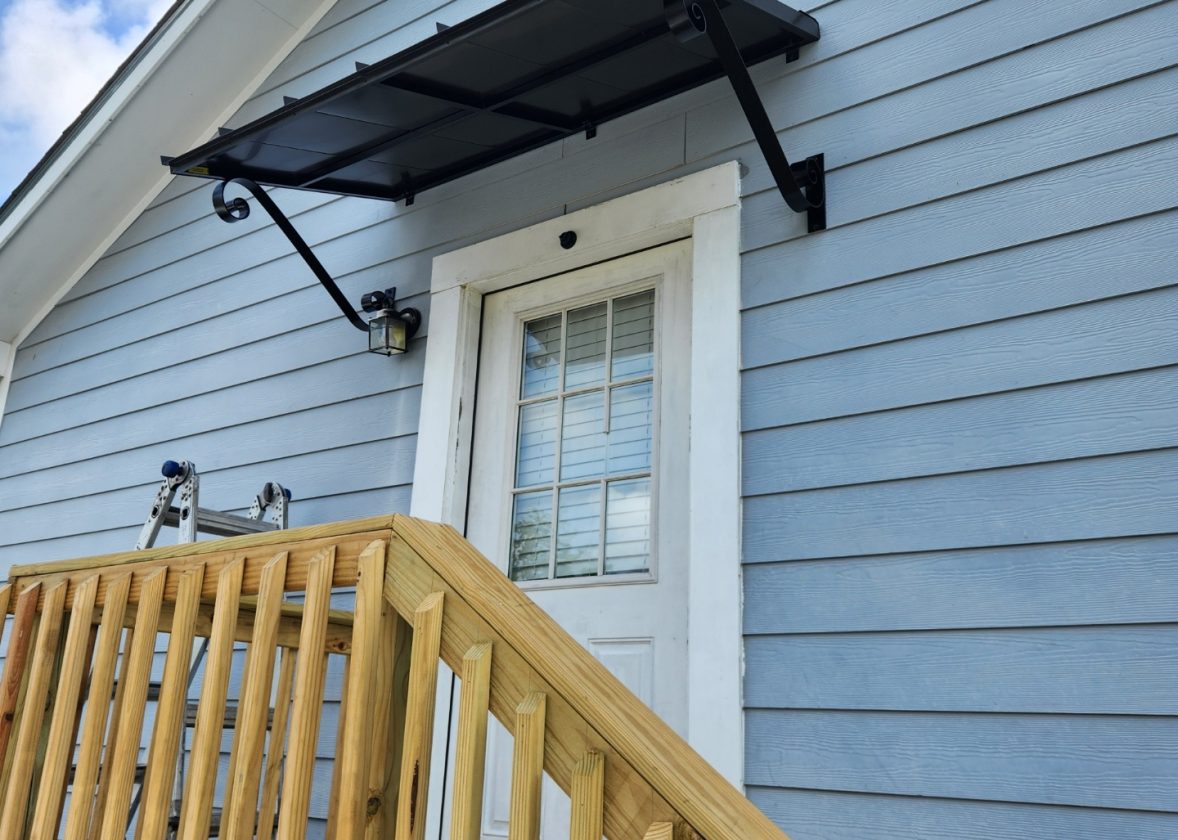
In Louisiana, history is not confined to museums. It lines downtown streets, frames storefronts, and stands proudly in neighborhoods where architecture tells stories from more than a century ago. Preserving those structures requires careful attention, especially when modern performance expectations enter the conversation. Awnings often sit at the intersection of preservation and practicality. Historically, awnings...

Share on:
Awning Solutions for High-Traffic Commercial Entrances

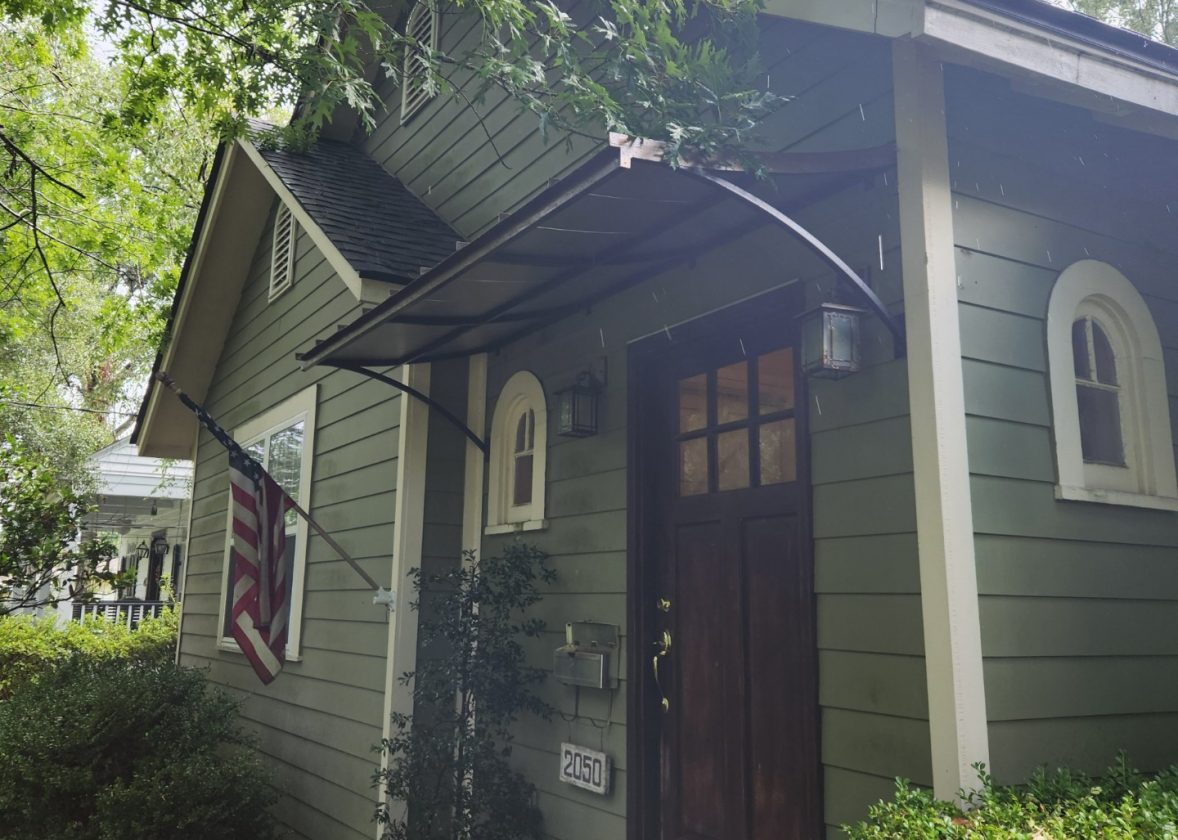
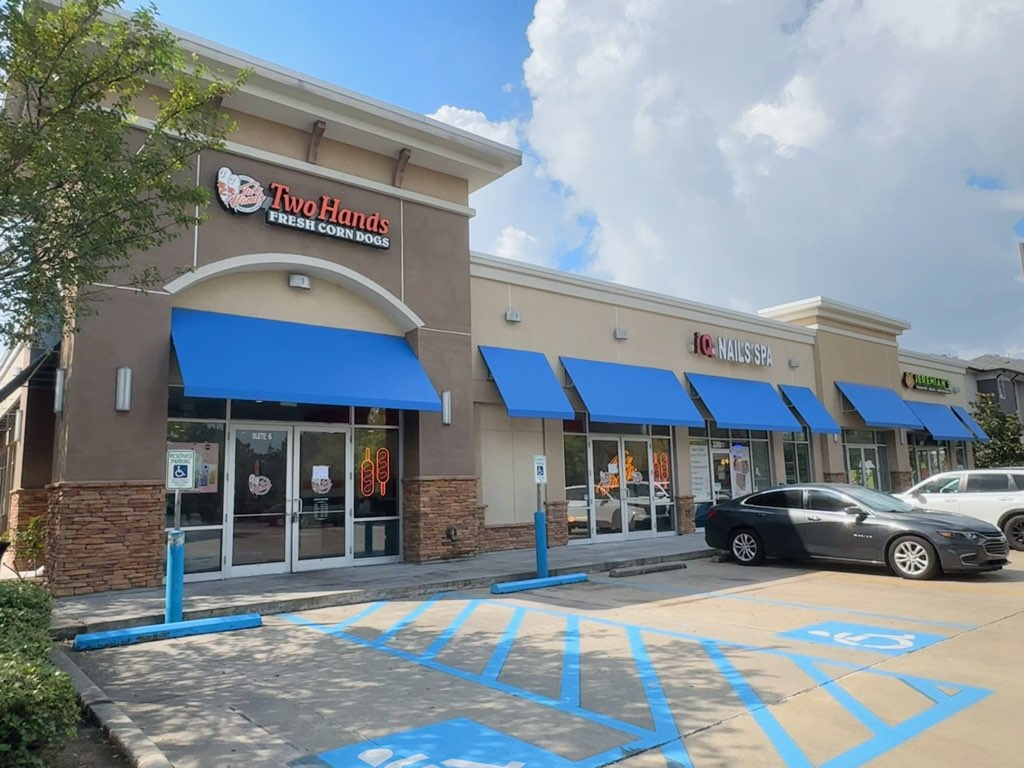
Commercial entrances carry more responsibility than most exterior elements. They protect foot traffic from weather, define transitions between exterior and interior space, and reinforce architectural identity. In high-traffic environments such as restaurants, offices, retail centers, and industrial facilities, entrance awnings must be engineered for durability while remaining architecturally appropriate. In Baton Rouge and throughout South...

Share on:
Designing Awnings for Every Architectural Style

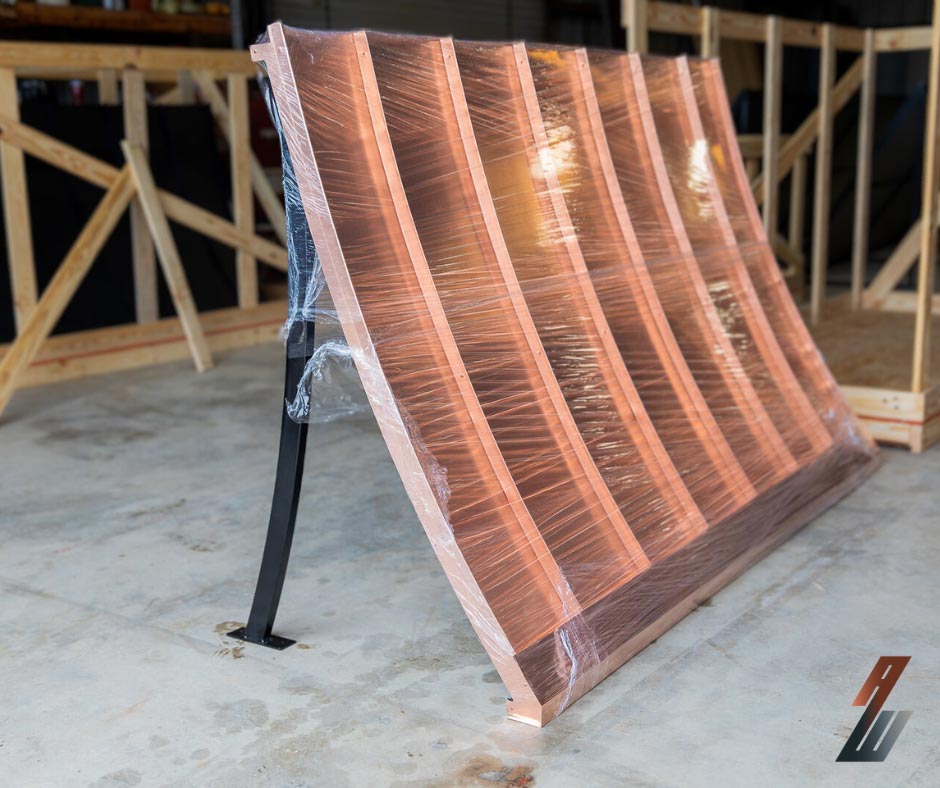
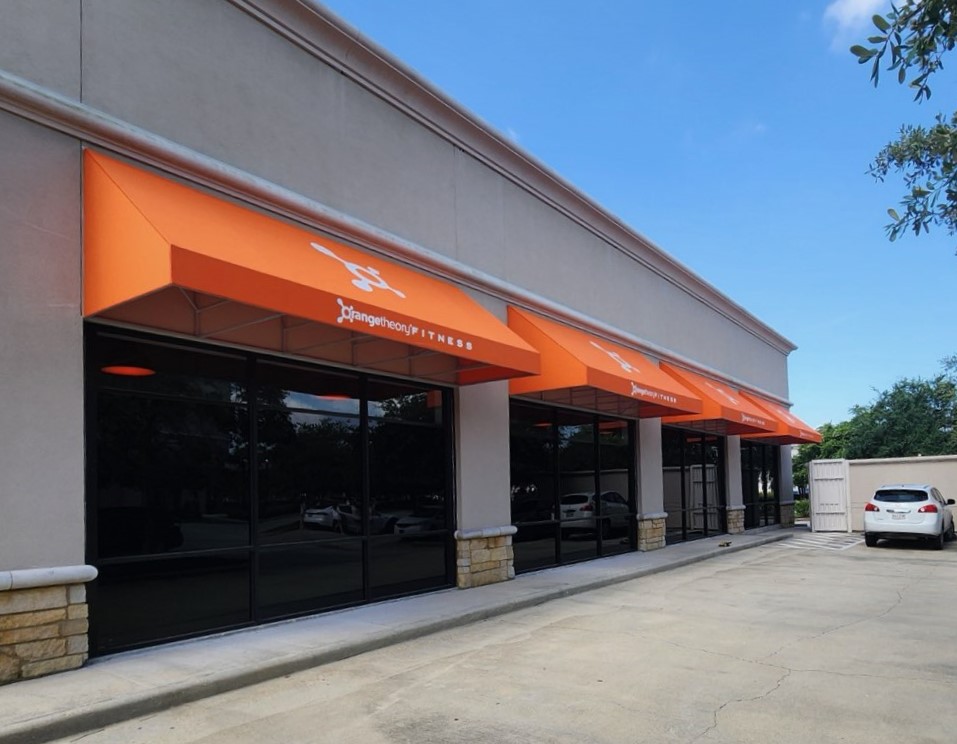
Architectural design tells a story long before anyone steps inside a building. Rooflines, window proportions, materials, and symmetry all communicate character and intent. When exterior elements are added thoughtfully, they support that narrative. When added without regard to proportion or style, they interrupt it. Awnings fall squarely into that category. Shape matters. Proportion matters. Context...

Share on: